

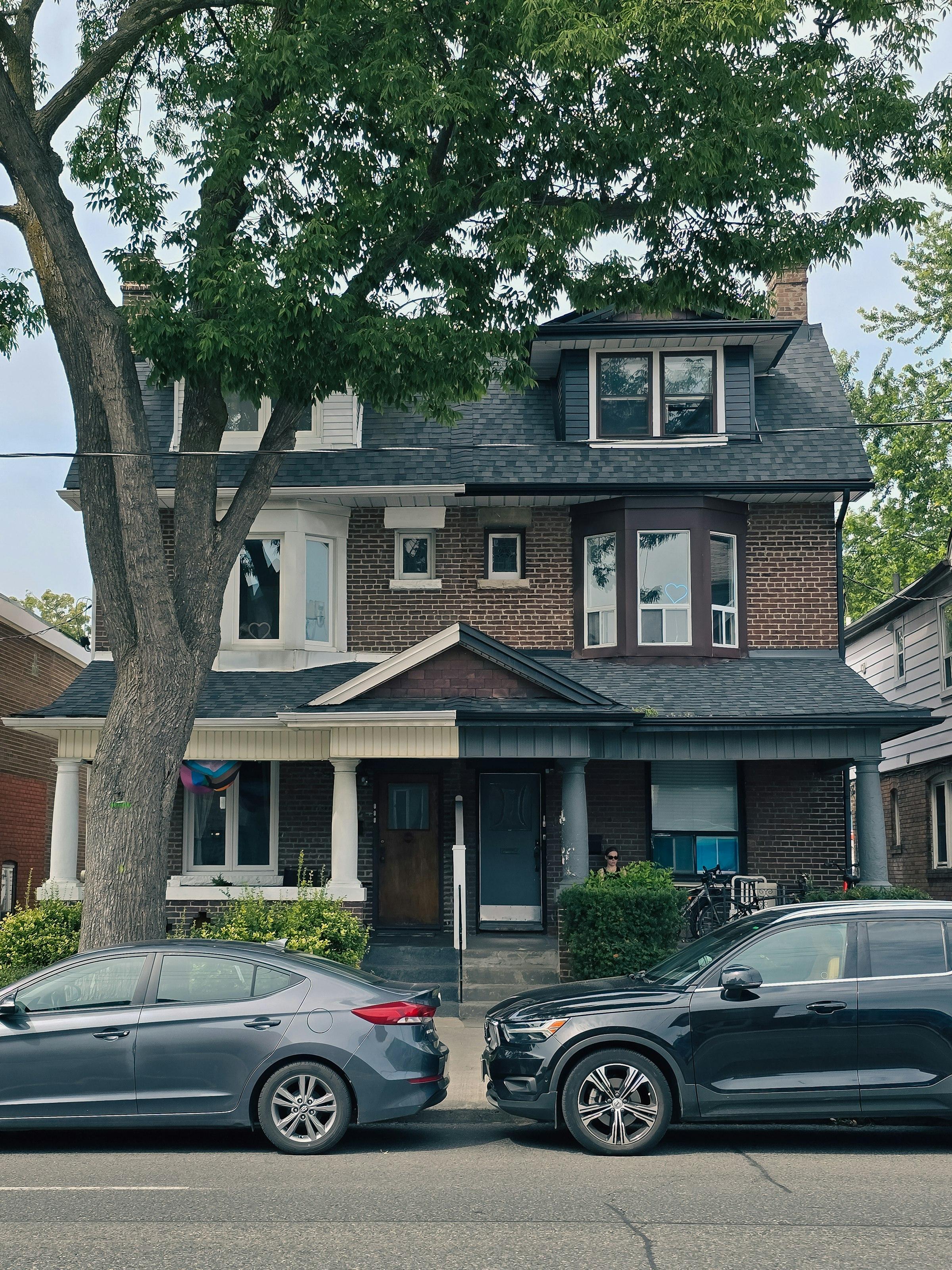
A home valuation estimates what your home would likely sell for now, based on what similar homes nearby actually sold for. A real estate agent does this with a comparative market analysis (CMA): picking the closest comparable sales, adjusting for each difference, and settling on a price range. Online estimates use a formula on public data. They can't see inside your home, which is where most of the gap comes from.
Here's how each kind of valuation works, and what to ask before you trust a number. If you're thinking of selling, this pairs with our seller's guide.
Four numbers that all get called "value"
| Type | Who makes it | What it's for | What it sees |
|---|---|---|---|
| Comparative market analysis (CMA) | A real estate agent | Setting a list price or an offer | Recent sales, active listings, your home's features and condition |
| Appraisal | An appraiser, usually hired for a lender | Confirming the home supports the mortgage | Similar to a CMA, written to appraisal standards |
| MPAC assessment | Municipal Property Assessment Corporation | Calculating property tax | Values as of a fixed past date |
| Automated online estimate | A website or app | A quick ballpark | Public records and listing data, run through a model |
Last checked: October 2026.
Why your MPAC assessment isn't your selling price
Many GTA owners look at their property tax assessment first. In Ontario, assessments for 2026 are still based on values as of January 1, 2016, because the province postponed the reassessment. That number was set to share out property taxes. It was never meant to tell you what a buyer would pay today.
Appraisals vs CMAs
An appraisal and a CMA use similar methods. The difference is the client and the purpose. A lender wants to know the home is worth at least the loan, while you want to know where to price so the right buyers show up. Lenders may charge appraisal fees as part of borrowing costs, so ask who pays and when.
How a comparative market analysis works
A careful CMA follows the same steps every time.
1. Describe the home accurately
It starts with the facts: property type, lot, square footage, bedrooms and bathrooms, basement, parking, age and condition. Then come the things that change value but don't show up in public records: the renovated kitchen, the new roof, a legal second unit, the street the house backs onto.
2. Pick the comparables
Comparables ("comps") are recent sales of homes as close as possible to yours. A good comp is:
- Nearby. Same neighbourhood, and ideally the same side of any major road, rail line or school boundary.
- The same type. A semi is compared with semis; a condo with units in the same building or nearby buildings.
- Recent. Prices move, so a sale from last month beats one from last year.
- Similar in size, age and layout.
Agents also look at active listings (your competition) and expired listings (what buyers wouldn't pay).
3. Adjust for the differences
No comp is identical, so each one is adjusted toward your home. If a comp has an extra bathroom your home lacks, its price is adjusted down. If your basement is finished and the comp's isn't, it's adjusted up. Common adjustments include:
- lot size and frontage
- finished living space
- bedrooms and bathrooms
- basement finish and separate entrance
- parking and garage
- condition and updates
- for condos: floor, view, exposure, parking and locker
- time of sale, if the market has moved since
Here's a simplified illustration with made-up numbers. It shows the method, not real market values:
| Comp A | Comp B | Comp C | |
|---|---|---|---|
| Sold price | $1,000,000 | $960,000 | $1,040,000 |
| Bathrooms vs yours | One more: −$20,000 | Same | Same |
| Basement vs yours | Unfinished: +$30,000 | Finished: $0 | Finished: $0 |
| Condition vs yours | Similar | Dated kitchen: +$25,000 | Fully renovated: −$40,000 |
| Adjusted price | $1,010,000 | $985,000 | $1,000,000 |
Three adjusted comps between $985,000 and $1,010,000 suggest a range, not a single number. The comp that needed the fewest adjustments usually deserves the most weight.
4. Reconcile into a price range
The last step is judgment: weighing the comps, then checking the result against current listings and how fast similar homes are selling. The output is a range plus a pricing strategy, because where you list inside that range depends on the competition and your timeline.
Why online estimates miss
Automated valuation models (AVMs) run public data through a statistical model. They're fast and free to look at, and on a block of near-identical homes they can land close. They struggle in predictable places:
- They can't see inside. A gut renovation and an original 1970s kitchen look the same in public records. So do a finished basement with a separate entrance and an unfinished one.
- Lots aren't all equal. A ravine lot, a pie-shaped lot, a busy-road backing or a hydro corridor behind the fence changes value. A model may treat them all as "same street, same size".
- Condos vary inside one building. Floor height, view, exposure, layout, parking and a locker can separate two units with the same square footage. A model working mainly from square footage can miss those differences.
- Unique homes have few comps. A custom build, a rare lot or a home on a street with few sales leaves the model guessing.
- Data lags the market. Models update on recorded data. When the market turns quickly, estimates trail it.
- Errors in the record carry through. Wrong square footage or a missing bathroom in the data flows straight into the estimate.
We looked for a credible, Canada-specific source on how far automated estimates miss and didn't find one, so we're not quoting a percentage. The sensible way to use an online estimate is as a starting question: "Why might my home be worth more or less than this?"
What to ask before you trust any valuation
- Which sales were used as comparables, and when did they sell?
- What adjustments were made, and why?
- Were active and expired listings considered?
- Did the person see the inside of the home, or photos of it?
- Is the result a range, and where in it would they list, given your timeline?
An agent who can't show their comps and adjustments is asking you to trust a number. A good valuation shows its work.
Pricing affects everything after
The valuation feeds your list price, and the list price shapes your timing, your showings and your negotiating room. If you're also buying your next home, the expected sale price sets your budget and your financing. Our guide to selling and buying at the same time walks through that.
Get a valuation that shows its work
If you're curious what your home would sell for today, ask for a valuation built from real comparables and adjustments for your specific home. Start with your address on our home valuation page, and ask any questions from the list above when we talk.
This is general information, not financial, tax or legal advice. A valuation estimates likely market value and isn't a guarantee of sale price. Confirm decisions with your lender, lawyer and accountant.
Sources
- MPAC, Notices and notifications (checked October 2026)
- FCAC, Borrowing against home equity (checked October 2026)